
Whitsunday Islands’ Historical Tapestry: From Gondwanaland to First Nations and Beyond
Australia’s Whitsunday Islands? Islands that have a story stretching back some 550 million years to Gondwanaland, a period that shaped Australia’s natural heritage in ways few realise. Let’s step through time as we reveal geological events, First Nation footsteps and today’s pristine paradise. On this journey, we will discover their geological formation, uncover a deep cultural history, and explore our ongoing environmental and conservation efforts. Let’s explore why the historical significance of the Whitsundays matters today, as we invite you to be a part of the story.
Origins in Gondwanaland
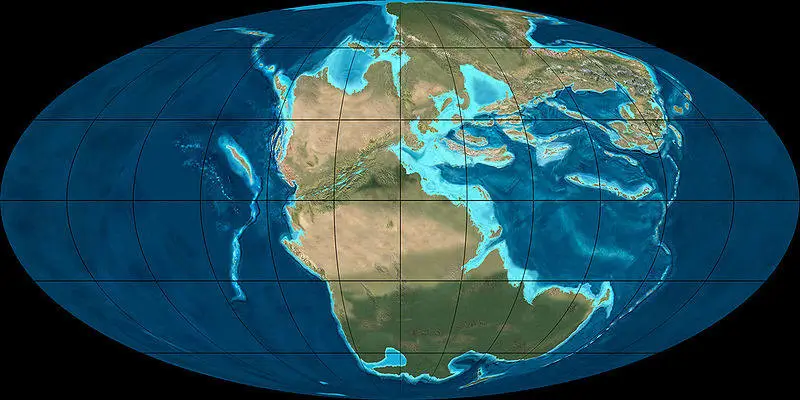
The Whitsunday Islands may seem like mere dots in the ocean today, but they carry tales from millions of years past. Their origins trace back to a time when the supercontinent Gondwanaland reigned supreme, some 550 million years ago.
Geological Formation
Imagine a world where towering landmasses drifted apart, like puzzle pieces on a watery canvas. A planet with no polar caps. That’s how Australia began. When Gondwanaland eventually split, about 180 million years ago, it gave birth to stunning landscapes. Over millions of years, islands emerged, each shaped uniquely by time and tides. The rocky foundations of the Australian coastline and the latter Whitsundays tell a story of ancient shifts and previously unknown formations. These geological wonders aren’t just stones; they are nature’s art in progress.
Shifting Poles and Survival
The resilience of Australia’s First Nations people beggars belief at the best of times. Some 45,000 years ago, our planet had the mind to swap its magnetic fields! Yep, south became north and north became south. What the heck! The chaos on our planet during this period created trying conditions for its flora, fauna and people. The Flip!
However, Mother Nature was not done yet, nor was Gubulla Munda. The continental islands of the Whitsundays were once part of mainland Australia. At the end of the last ice age, between 14,000 and 19,000 years ago, our polar regions shed more than 60% of their ice mass. The effect led to ocean levels rising, flooding the valleys of the Giya, Juru, and Ngaro regions of this great southern continent, creating new islands along the coastline.
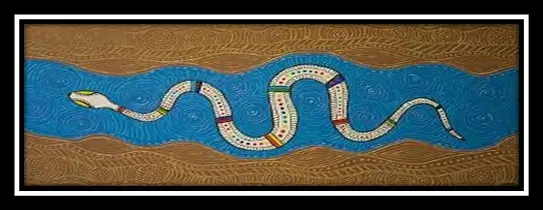
Dreaming tells the story of Gubulla Munda, a giant carpet python (snake), a totem of the Birri Gubba who wove her way through the coastal waters of our region, laying 74 eggs in the ocean to protect them from land-based predators. These 74 eggs became the 74 islands we know today.
Many Names, Many Roles, Many Stories
Ancient Ngaro Sea Country
Let’s step into a world where the Ngaro people called these islands home. For over 9,000 years, they navigated these waters with skill and reverence. Their canoes cut through the waves, connecting communities across the sea. The Ngaro understood the islands like no other. They knew the best fishing spots and the secrets of the land. It’s a journey of survival and connection deeply woven into the islands’ fabric. The sea wasn’t just water; it was a lifeline, a provider. This ancient sea country holds stories of resilience and harmony with nature. Learn more about the Ngaro Sea Country.
First Nations Story
These islands whisper tales of the First Nations people whose traditions and beliefs continue to enrich the Whitsundays. Their story isn’t lost; it’s alive and vibrant.
Cultural History
The First Nations’ cultural history is a vibrant tapestry of traditions and stories, woven with care and respect. Their tales were not just spoken; they were lived. Each rock, tree, and waterway holds a lesson, a map, a piece of wisdom passed down through generations. Imagine gathering around a fire, listening to elders recounting the adventures of ancestors. This cultural legacy serves as an anchor, grounding the islands in time-honoured traditions.
Oh, There You Are, Great Southern Land!
Blowing a favourable southeastery wind, Lt. James Cook, on his vessel HMAS Endeavour, appears to have been the first European to sail through the island group (he thought it was a Sunday). He named the passage through the islands, ‘Whitsunday Passage’. He named only one of the 74 islands, ‘Pentecost Island’. Both names are based on his miscalculated day of the week,
Impressed by their sense of contentedness, Cook quipped about the local aboriginals, “…they appeared to live in tranquillity, undisturbed by European inequality of condition”. He went on to state that the locals were “far happier than we Europeans” as they did not desire any unnecessary luxuries, nor seek a quest to obtain them.
Now the secret was out, and this huge continent, this massive island, was now known to the world. In 1770, the ‘discovered’ island would start a new life, and some 18 years later, the First Fleet would land in the newly coined Australia.
It was another 100 years before European settlers made it to the Whitsundays.

Millions of years old, and extremely unique! Where did the siica come from?
Whitsundays’ Historical Significance
The Whitsundays stand as a testament to cultural endurance and historical significance. Beyond their breathtaking beauty, these islands hold deep meaning for Indigenous Australians. They are the custodians of this land, their guardianship spanning thousands of years. These islands remind us of the enduring bond between people and place. Most may see just islands, but for the First Nations, they are sacred grounds, cherished and respected. Explore the historical significance of the Whitsundays.
Modern Day Whitsunday Islands
Today, the Whitsundays are a haven for adventurers and nature lovers. Yet, they face modern challenges that demand our attention and care.
Environment and Conservation
Preserving the natural beauty of the Whitsundays is a collective responsibility. The islands are not just tourist spots; they are ecosystems teeming with life. Efforts to protect marine environments are crucial. With coral reefs at risk, conservation initiatives aim to sustain the biodiversity that calls these waters home. Every action counts, whether it’s reducing waste or supporting eco-friendly tourism. The longer we wait, the more we risk losing an invaluable treasure. The team at PORTALND ROADS SAILING THE WHITSUNDAYS have adopted a groundbreaking initiative: Tomorrow’s Reef Today. Staying 2 steps ahead of governance and regulation, they have created an immersive experience within the travel economy that sets the new paradigm for conscious travellers.
Australia’s Natural Heritage
The Whitsunday Islands form part of Australia’s rich natural heritage. Their unique landscapes and diverse wildlife are national treasures. Sailing through this paradise, you’re not just on a holiday; you’re experiencing a living legacy. From the vibrant coral gardens to the lush island forests, the Whitsundays offer an unparalleled connection to nature. It’s more than a destination; it’s a journey into the heart of Australia’s ecological story.
In conclusion, the Whitsunday Islands are more than just a postcard, picture-perfect location. They are a bridge between the past and the present, a testament to ancient cultures and natural wonders. Each visit contributes to a story that continues to unfold, inviting you to be part of its next chapter.